
Monday, May 4

SPECIAL

Vitamin E helps lower the inflammation in the lung tissues. This is one of the best vitamins to make your lungs stronger

Vitamin E helps lower the inflammation in the lung tissues. This is one of the best vitamins to make your lungs stronger

Health, SPECIAL
Vitamin E is indeed recognized for its antioxidant properties and potential anti-inflammatory effects, which can be beneficial for individuals with asthma or other respiratory issues.Anti-inflammatory Effects: Vitamin E has been shown to possess anti-inflammatory properties, which may help reduce inflammation in the lung tissues. In asthma, inflammation in the airways can cause constriction and breathing difficulties. By reducing inflammation, Vitamin E may contribute to better asthma control and improved lung function. Antioxidant Protection: As an antioxidant, Vitamin E helps protect the body's cells, including those in the respiratory system, from damage caused by free radicals. This protection can be particularly valuable in preventing oxidative stress and injury to lung tissu...
Here are some key points about ‘Cervical Cancer’

Here are some key points about ‘Cervical Cancer’

Health, INDIA, SOUTH ASIA, SPECIAL, SPORTS, STATE'S, TOP STORIES, WORLD
Cervical cancer is a type of cancer that starts in the cells of the cervix, the lower part of the uterus that connects to the vagina. As you mentioned, cervical cancer is most commonly caused by persistent infection with certain types of the human papillomavirus (HPV), which is a sexually transmitted infection. However, it's important to note that not all HPV infections lead to cervical cancer, and most HPV infections resolve on their own without causing any health problems.Here are some key points about cervical cancer and its relationship to HPV:HPV and Cervical Cancer: Certain high-risk types of HPV, particularly HPV16 and HPV18, are known to be strongly associated with the development of cervical cancer. These types of HPV can infect the cells of the cervix, leading to cellul...
Can potato consumption add to the risk of diabetes

Can potato consumption add to the risk of diabetes

Health, SPECIAL
Potatoes can potentially contribute to an increased risk of diabetes when consumed in large quantities or prepared in certain ways. The effect of potatoes on diabetes risk is mainly related to their glycemic index and glycemic load.The glycemic index (GI) is a measure of how quickly carbohydrates in a food raise blood sugar levels. Foods with a high GI cause a rapid increase in blood sugar, while those with a low GI cause a slower, more gradual increase. Potatoes, especially white potatoes, have a high glycemic index, meaning they can cause a rapid spike in blood sugar levels when eaten.The glycemic load (GL) takes into account both the GI and the amount of carbohydrates in a serving of food. While a single small potato might have a high GI, its glycemic load may not be as signific...
Neem’s antibacterial properties are beneficial for oral health

Neem’s antibacterial properties are beneficial for oral health

Health, SPECIAL
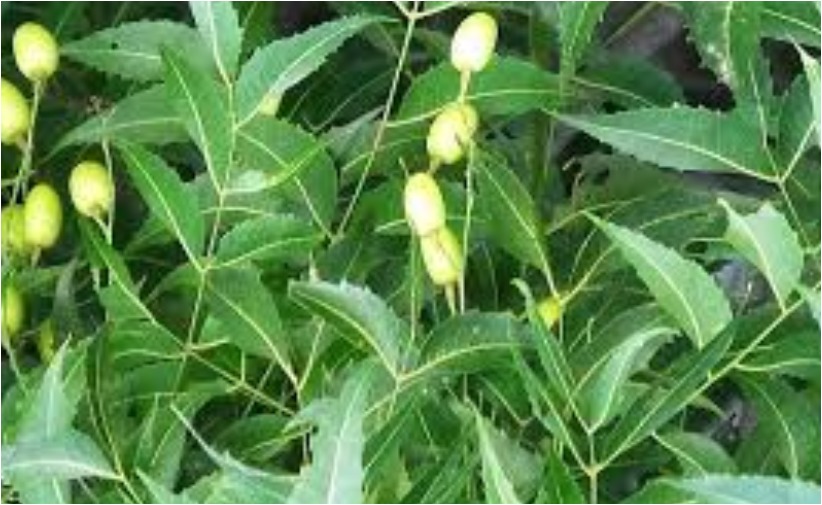
Ayurveda and herbs have been highly regarded as natural remedies for various ailments, and their popularity has surged globally.Neem, in particular, holds a significant place in Ayurvedic medicine and is considered a panacea for numerous health issues in India. Some of the benefits associated with neem include:Anti-parasitic Properties: Consuming neem leaves by grinding them and drinking the concoction is believed to help eliminate stomach worms and parasites, promoting gastrointestinal health. Skin Care: Neem is well-known for its skin-nourishing properties. Applying a paste of ground neem leaves to the skin can help alleviate rash, itching, and various skin conditions due to its anti-inflammatory and antibacterial effects. Acne Treatment: Neem's antimicrobial properties a...
Harvesting Wellness with Masala Tea: Fostering Digestive Wellness during Winter  Navigating Digestive Comfort: The advantages of masala tea extend to the realm of digestion, a crucial aspect that often encounters challenges during the winter months. With the consumption of heartier foods and a propensity to remain sedentary, the risk of digestive issues looms. Within this context, certain spices take center stage in masala tea, offering a comforting solution to alleviate digestive discomfort.  Empowering Digestive Ease: Ginger, mint, and star anise—key players in masala tea—hold the power to transform your winter days by promoting improved digestion. These spices, renowned for their digestive-enhancing properties, collaborate to soothe the digestive system and mitigate gastric distress. The very act of steeping them in tea harnesses their potential to create a blend that not only tantalizes the taste buds but also extends its therapeutic touch to the intricate processes of digestion.  Strategic Timing: After or Between Meals: The timing of masala tea consumption plays a pivotal role in its digestive benefits. Having this tea post-meal or between meals serves as a strategic choice. The infusion of ginger, mint, or star anise, coupled with the warmth of the beverage, can work harmoniously to aid digestion, alleviate discomfort, and provide a sense of relief from gastric issues.  Nurturing Digestive Harmony: Incorporating masala tea into your winter routine encapsulates a holistic approach to well-being, especially when it comes to digestive health. Through the strategic amalgamation of spices renowned for their digestive prowess, this tea transcends its role as a beverage and evolves into a nurturing elixir that promotes digestive harmony, comfort, and wellness.

Harvesting Wellness with Masala Tea: Fostering Digestive Wellness during Winter Navigating Digestive Comfort: The advantages of masala tea extend to the realm of digestion, a crucial aspect that often encounters challenges during the winter months. With the consumption of heartier foods and a propensity to remain sedentary, the risk of digestive issues looms. Within this context, certain spices take center stage in masala tea, offering a comforting solution to alleviate digestive discomfort. Empowering Digestive Ease: Ginger, mint, and star anise—key players in masala tea—hold the power to transform your winter days by promoting improved digestion. These spices, renowned for their digestive-enhancing properties, collaborate to soothe the digestive system and mitigate gastric distress. The very act of steeping them in tea harnesses their potential to create a blend that not only tantalizes the taste buds but also extends its therapeutic touch to the intricate processes of digestion. Strategic Timing: After or Between Meals: The timing of masala tea consumption plays a pivotal role in its digestive benefits. Having this tea post-meal or between meals serves as a strategic choice. The infusion of ginger, mint, or star anise, coupled with the warmth of the beverage, can work harmoniously to aid digestion, alleviate discomfort, and provide a sense of relief from gastric issues. Nurturing Digestive Harmony: Incorporating masala tea into your winter routine encapsulates a holistic approach to well-being, especially when it comes to digestive health. Through the strategic amalgamation of spices renowned for their digestive prowess, this tea transcends its role as a beverage and evolves into a nurturing elixir that promotes digestive harmony, comfort, and wellness.

Health, SPECIAL
Navigating Digestive Comfort: The advantages of masala tea extend to the realm of digestion, a crucial aspect that often encounters challenges during the winter months. With the consumption of heartier foods and a propensity to remain sedentary, the risk of digestive issues looms. Within this context, certain spices take center stage in masala tea, offering a comforting solution to alleviate digestive discomfort.Empowering Digestive Ease: Ginger, mint, and star anise—key players in masala tea—hold the power to transform your winter days by promoting improved digestion. These spices, renowned for their digestive-enhancing properties, collaborate to soothe the digestive system and mitigate gastric distress. The very act of steeping them in tea harnesses their potential to create a blend ...
It’s essential to consume a diet rich in nutrients that support your eye

It’s essential to consume a diet rich in nutrients that support your eye

Health, SPECIAL
To promote eye health, it's essential to consume a diet rich in nutrients that support your eyes. Incorporating foods containing omega-3 fatty acids, zinc, vitamins C and E, as well as dark leafy greens, nuts, eggs, oranges, and seafood can be highly beneficial. These nutrients play a vital role in maintaining the health of your eyes and supporting their proper function.Including omega-3 fatty acids in your diet can help protect against age-related macular degeneration (AMD) and dry eye syndrome. Sources of omega-3s include fatty fish like salmon, tuna, and mackerel, as well as chia seeds and flaxseeds.Zinc is crucial for maintaining the health of your retina, the light-sensitive layer at the back of your eye. Foods rich in zinc include oysters, beef, poultry, pumpkin seeds, and be...
Ayurveda recognizes the immense potential of herbs as panaceas for various diseases, and one such versatile herb is fennel.  Fennel, commonly used as a mouth freshener, offers a range of health benefits:  Oral Health: Fennel seeds are known for their ability to freshen breath and help alleviate bad breath. Chewing on fennel seeds after meals can promote oral hygiene.  Digestive Aid: Fennel has carminative properties, which means it can help relieve gas, bloating, and indigestion. Consuming fennel seeds or fennel water can ease stomach problems.  Weight Loss Support: Fennel water is believed to be helpful for weight loss due to its ability to suppress appetite and boost metabolism. It can be included in a weight loss regimen alongside a balanced diet and exercise.  Nausea Relief: Chewing on fennel seeds or drinking fennel tea is known to provide relief from nausea and motion sickness.  It’s important to note that while fennel offers potential health benefits, it should not be seen as a replacement for professional medical advice or prescribed treatments. Additionally, individual responses to herbs can vary, and some people may be allergic to fennel.  To incorporate fennel into your health routine, consider using it in moderation and in conjunction with a balanced diet and a healthy lifestyle. If you have specific health concerns or conditions, consult with a qualified healthcare provider before using fennel or any other herb for medicinal purposes.  In Ayurveda, herbs like fennel are valued for their unique properties and their ability to support overall health and well-being. Embracing Ayurvedic principles and combining traditional wisdom with modern medical practices can contribute to a comprehensive approach to health that addresses both prevention and treatment.

Ayurveda recognizes the immense potential of herbs as panaceas for various diseases, and one such versatile herb is fennel. Fennel, commonly used as a mouth freshener, offers a range of health benefits: Oral Health: Fennel seeds are known for their ability to freshen breath and help alleviate bad breath. Chewing on fennel seeds after meals can promote oral hygiene. Digestive Aid: Fennel has carminative properties, which means it can help relieve gas, bloating, and indigestion. Consuming fennel seeds or fennel water can ease stomach problems. Weight Loss Support: Fennel water is believed to be helpful for weight loss due to its ability to suppress appetite and boost metabolism. It can be included in a weight loss regimen alongside a balanced diet and exercise. Nausea Relief: Chewing on fennel seeds or drinking fennel tea is known to provide relief from nausea and motion sickness. It’s important to note that while fennel offers potential health benefits, it should not be seen as a replacement for professional medical advice or prescribed treatments. Additionally, individual responses to herbs can vary, and some people may be allergic to fennel. To incorporate fennel into your health routine, consider using it in moderation and in conjunction with a balanced diet and a healthy lifestyle. If you have specific health concerns or conditions, consult with a qualified healthcare provider before using fennel or any other herb for medicinal purposes. In Ayurveda, herbs like fennel are valued for their unique properties and their ability to support overall health and well-being. Embracing Ayurvedic principles and combining traditional wisdom with modern medical practices can contribute to a comprehensive approach to health that addresses both prevention and treatment.

Health, SPECIAL
Ayurveda recognizes the immense potential of herbs as panaceas for various diseases, and one such versatile herb is fennel.Fennel, commonly used as a mouth freshener, offers a range of health benefits:Oral Health: Fennel seeds are known for their ability to freshen breath and help alleviate bad breath. Chewing on fennel seeds after meals can promote oral hygiene. Digestive Aid: Fennel has carminative properties, which means it can help relieve gas, bloating, and indigestion. Consuming fennel seeds or fennel water can ease stomach problems. Weight Loss Support: Fennel water is believed to be helpful for weight loss due to its ability to suppress appetite and boost metabolism. It can be included in a weight loss regimen alongside a balanced diet and exercise. Nausea Relief...
Benefits of Jimikand (Elephant Foot Yam) for Your Health

Benefits of Jimikand (Elephant Foot Yam) for Your Health

Health, SPECIAL
Benefits of Jimikand (Elephant Foot Yam) for Your Health1. Cholesterol Management: Jimikand, also known as elephant foot yam, plays a significant role in managing cholesterol levels. Its content of omega-3 fatty acids contributes to reducing levels of bad cholesterol (LDL) while simultaneously boosting good cholesterol (HDL) levels. In addition, this tuberous vegetable effectively lowers both LDL and VLDL levels. Its composition, containing only 0.2-0.4 percent fat combined with a high fiber content ranging from 1.7 to 5 percent, makes it an excellent dietary choice for those aiming to support weight loss efforts.Jimikand, with its diverse health benefits extending beyond cholesterol management, can be a valuable addition to your diet. By incorporating this nutritious vegetable, yo...
Honey wide range of health benefits, particularly for its antibacterial and anti-inflammatory properties

Honey wide range of health benefits, particularly for its antibacterial and anti-inflammatory properties

Health, SPECIAL
Honey is a remarkable natural sweetener produced by bees and offers a wide range of health benefits, particularly for its antibacterial and anti-inflammatory properties:Antibacterial Effects: Honey contains natural antimicrobial compounds, such as hydrogen peroxide and phenolic compounds, which can help combat bacterial infections. Topical application of honey on wounds or minor cuts can aid in preventing infection and promoting wound healing. Anti-inflammatory Properties: Honey's anti-inflammatory properties can help reduce inflammation in the body and soothe irritated tissues. This makes honey a beneficial natural remedy for conditions like sore throat or minor skin irritations. Skin Health: Due to its antimicrobial and anti-inflammatory effects, honey is often used in skinca...